
Spain
Red
2022
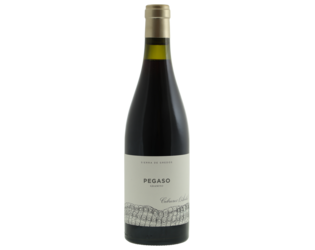
Telmo Rodriguez Pegaso Granito Castilla y Leon


Winemaker Telmo Rodríguez is a phenomenon in the Spanish wine world. He studied at the University of Bordeaux and later in the Rhône with the famous August Clape. After his winemaking studies, he returned to his homeland where he began as the winemaker for La Granja Senora De Remelluri, his father’s winery in Rioja. He left there after a few years to create his own wines in various regions of Spain, with an important mission: to put Spain on the map as a producer of authentic, elegant quality wines.
Instead of limiting himself to one region or winery, he works project-wise across the entire country, reviving old vineyards and forgotten wine areas. Together with his partner Pablo Eguzkiza, he selects unique terroirs and works closely with local winegrowers to create wines that accurately reflect the character of the region. This project-based approach makes Telmo Rodríguez a pioneer in the revaluation of Spanish wine tradition. Each project stands on its own and tells its own story, but is always marked by the same philosophy: respect for origin, focus on native grape varieties, working with the traditional method of free-standing vines and without irrigation. Additionally, there is minimal intervention in the cellar with cool fermentation, limited extraction, and very modest use of wood. This results in a versatile portfolio of wines that not only exude quality but also showcase the richness and diversity of Spain.

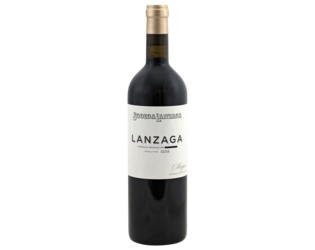
The Lanzaga project was born from a clear ambition: to rediscover the pure, traditional style of Rioja as it was made centuries ago. In the village of Lanciego, carefully selected small, old vineyard parcels were brought together to create a wine that reflects the character of the place as authentically as possible. Today, the project covers approximately 15 hectares and is run according to a small-scale, traditional model, with a full focus on terroir and precision in the vineyard. Within Lanzaga, the emphasis lies on identifying the finest vineyards, such as Las Beatas, Tabuérniga, El Velado, and La Estrada — parcels that have proven their exceptional quality through years of dedicated care and attention. The wines are pure, refined, and deeply layered, offering an authentic interpretation of Rioja in which origin takes center stage.
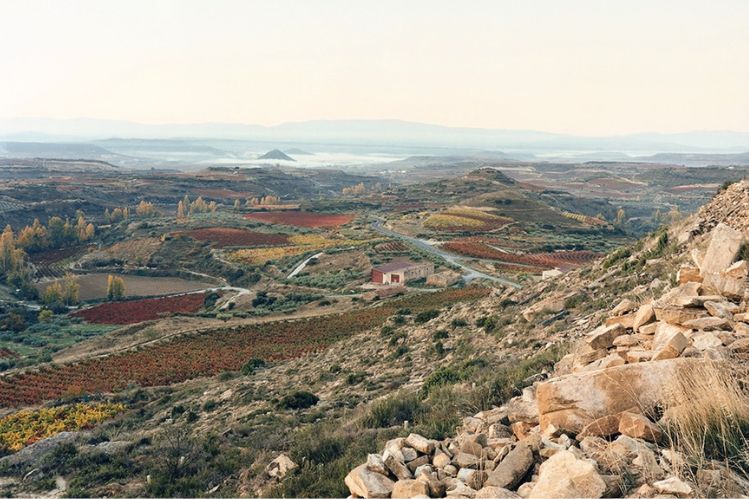
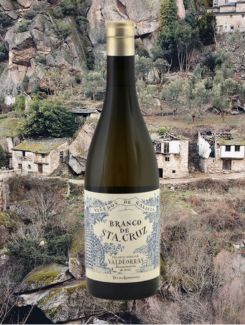
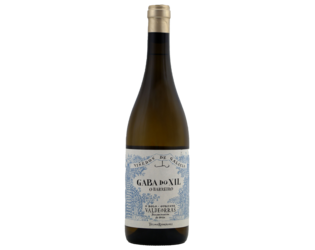
The Ladeiras do Xil project in Valdeorras reflects Telmo Rodríguez’s ambition to breathe new life into forgotten wine regions. Since 2002, he has been working to restore abandoned vineyards—often located on steep slopes—where centuries-old winemaking traditions once flourished. By collaborating with local winegrowers and focusing on the co-planting of indigenous grape varieties such as Merenzao, Sousón, and Godello, an authentic and layered expression of this unique terroir emerges. The vineyards, situated in a region where Atlantic and continental influences meet, produce wines with freshness, minerality, and structure. With plots such as Falcoeira, As Caborcas, and O Diviso, this project has evolved into a compelling reinterpretation of Galicia’s wine heritage. Ladeiras do Xil demonstrates that the future of the region lies in rediscovering and refining its origins.
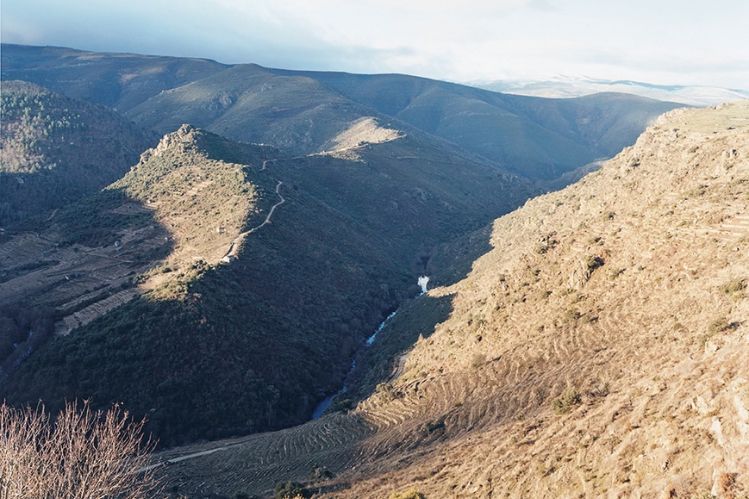
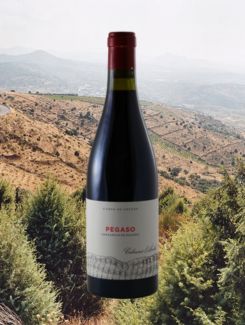
The Pegasos project in Cebreros (Sierra de Gredos) marks the beginning of Telmo Rodríguez’s search for forgotten wine regions with exceptional potential. Driven by his fascination with old Garnacha vineyards, he discovered the abandoned Arrebatacapas parcel in 1999 — a steep, rugged vineyard that had been completely left to its own devices. By restoring this and other historic plots and replanting them, he brought viticulture in this region back to life. The vineyards are situated on extreme slopes with slate and granite soils, resulting in wines with tension, minerality, and a pronounced character. With wines such as Barrancos de Pizarra and Granito, Pegasos showcases the pure expression of these unique and challenging terroirs. This project has not only contributed to the preservation of these old vines but also to the international recognition of Cebreros as a designated wine region.
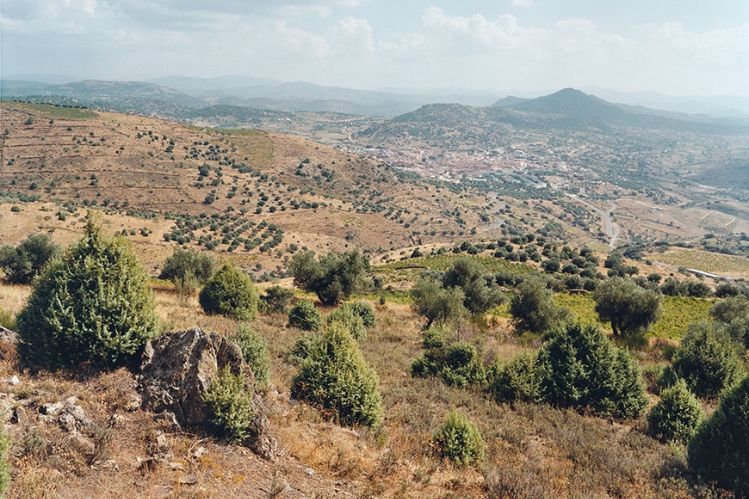
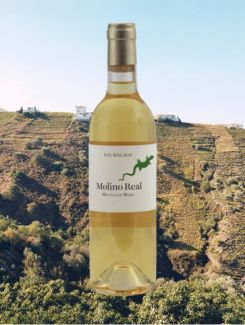
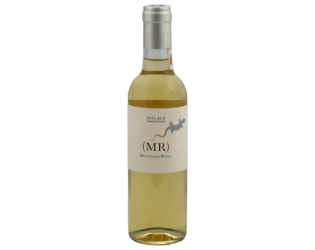
With the Molino Real project, Telmo Rodríguez revives a nearly forgotten chapter of Spanish wine history: the so‑called “Mountain Wines” of Málaga. Once highly regarded, these sweet wines fell into decline, leaving many vineyards abandoned. Since the 1990s, Telmo has been restoring steep, slate‑rich vineyards around Cómpeta, focusing on Moscatel as the key grape. By revitalising these challenging sites and working closely with local growers, he produces wines with intense aromatics, concentration, and a distinctive freshness. Molino Real is both a tribute to a lost tradition and a testament to how historic wine styles can become relevant again through respect for origin and craftsmanship.
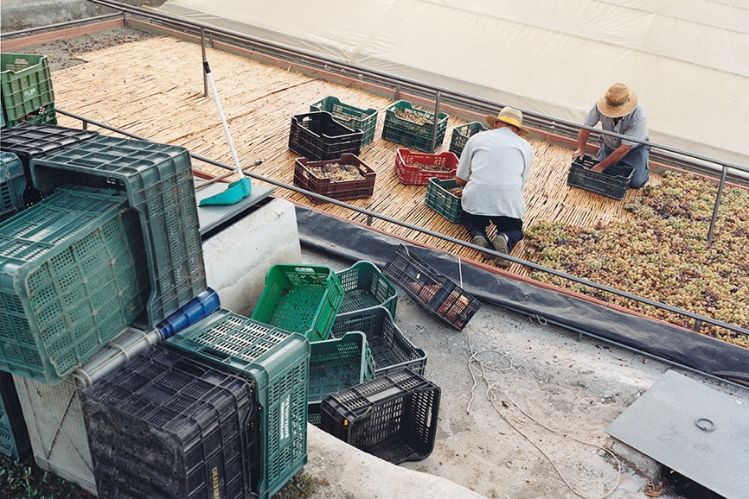
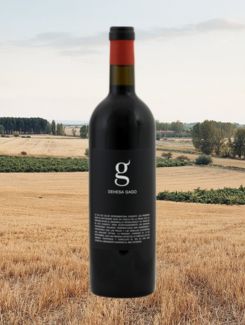
With the Gago project, Telmo Rodríguez contributed to the revival of Toro in the 1990s, a region rich in old vineyards with remarkable potential. Rather than establishing large new plantings, he chose to work closely with local growers and families who had cultivated these vines for generations, focusing on quality, balance, and respect for tradition. Gago is both a wine and a tribute to these growers. Made from Tinta de Toro (Tempranillo), it shows power and depth, combined with freshness, precision, and a refined sense of place—offering an authentic yet modern expression of the region.
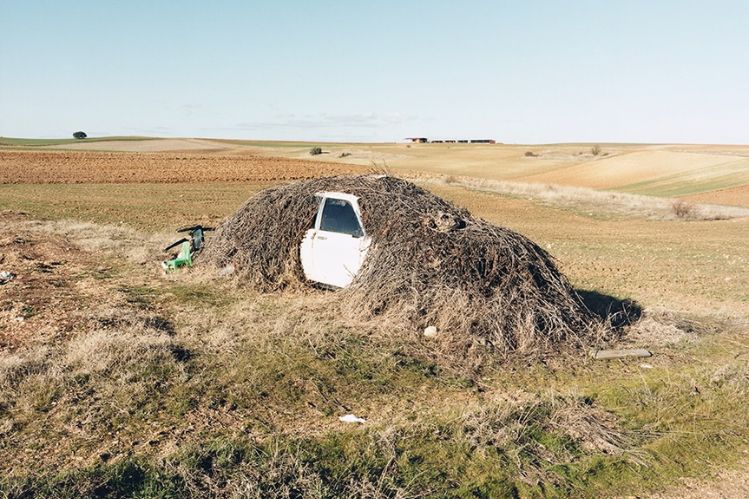
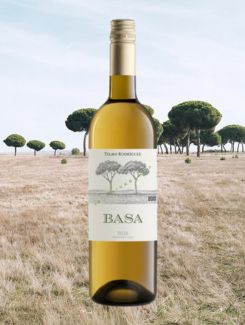
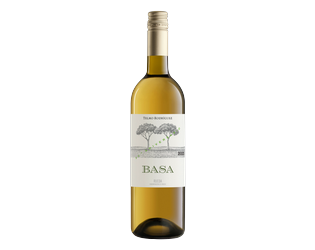
With the Basa project, launched in 1996, Telmo Rodríguez helped redefine Spanish white wines by highlighting the indigenous Verdejo grape from Rueda. At a time when premium Spanish whites were still rare, he created a fresh, approachable style that quickly gained international recognition. Over time, his focus shifted toward an even purer expression, with greater emphasis on native grapes and authenticity. Basa remains a vibrant, honest wine that reflects the character of Rueda—serving both as an accessible introduction and a key foundation in the evolution of modern Spanish white wine.
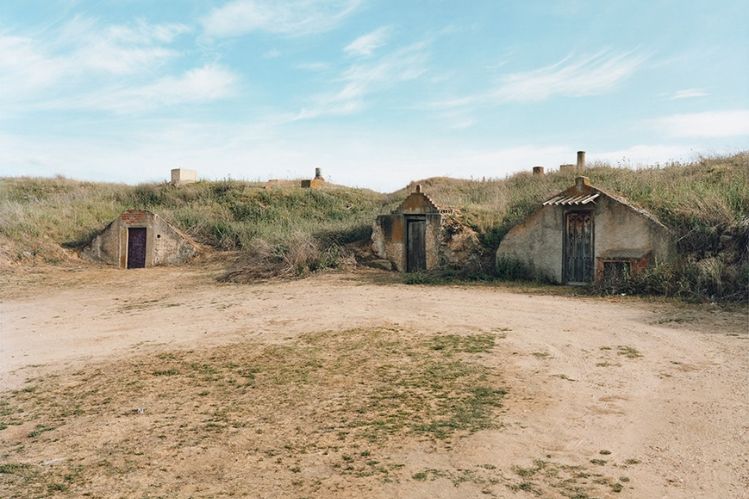
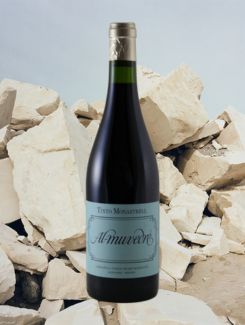
With the Al Muvedre project, Telmo Rodríguez explores the Mediterranean character of Alicante, the birthplace of the Monastrell grape. Inspired by the region’s rich yet partly forgotten wine heritage, he set out to create an honest, accessible wine that reflects its origins. Al Muvedre is a conscious choice for simplicity and authenticity rather than prestige. The wine is ripe, spicy, and smooth, with a clear Mediterranean profile and great drinkability—showing that even in an approachable style, a strong sense of terroir can shine through.
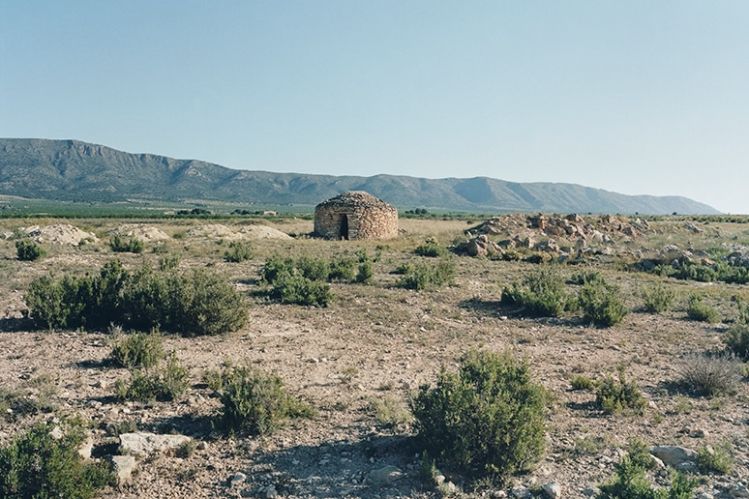
With the Viñedos de Matallana project, Telmo Rodríguez set out to create his own interpretation of Ribera del Duero, inspired by the potential of Tinto Fino (Tempranillo). Rather than following tradition, he explored the region in a new way, uncovering its diverse soils and landscapes. Based in the village of Sotillo de la Ribera, he combines old traditions—such as bush-trained vines and mixed plantings—with a modern, precise approach. The result is a refined, layered wine with structure, depth, and a clear expression of Ribera’s complexity.
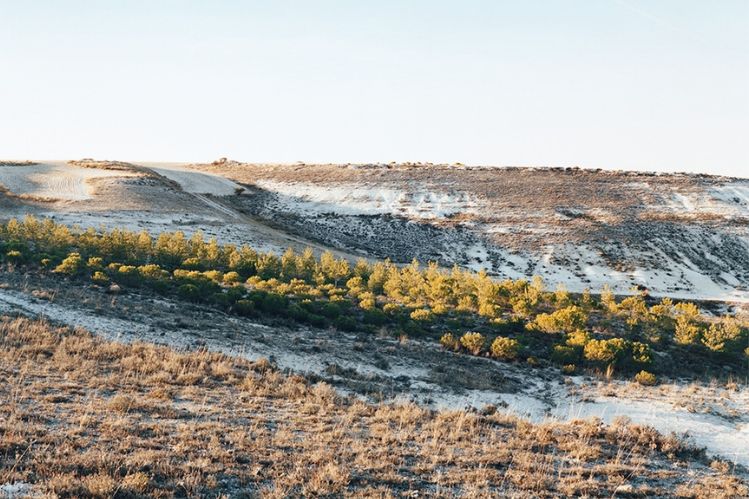
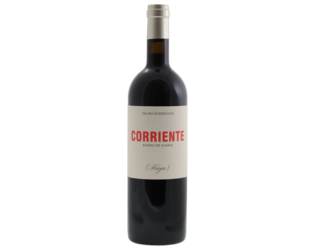
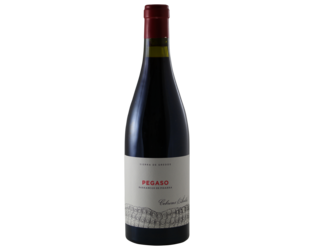
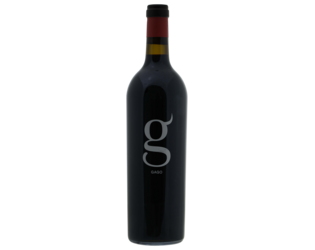
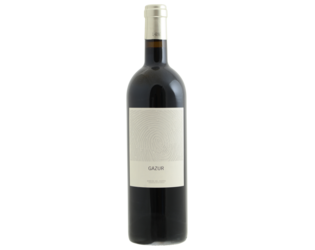
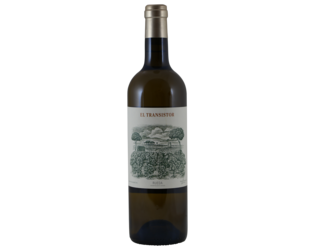
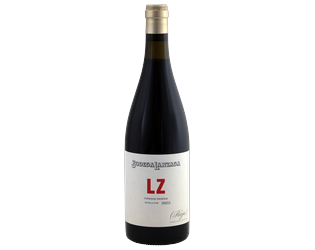
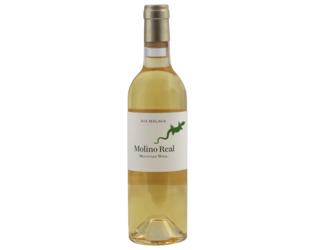
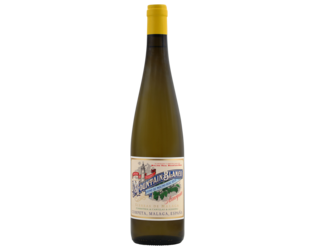
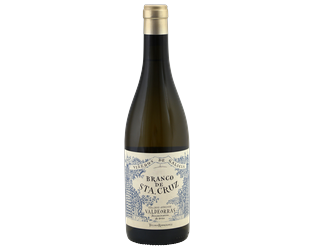
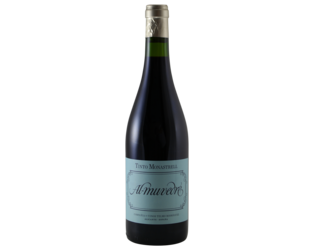
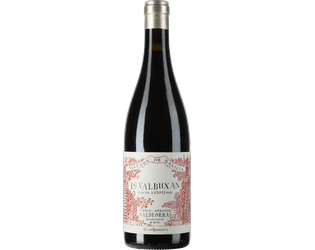
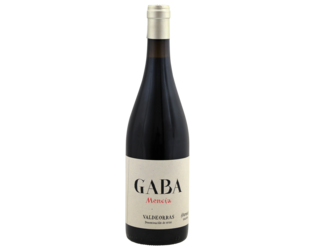
Telmo Rodríguez focuses on rediscovering forgotten wine regions and historic wine styles. Rather than creating new regions, he returns to the origin: old vineyards, local traditions, and indigenous grape varieties. His projects aim to restore the identity of each area, allowing the wine to once again become a true reflection of its origin.
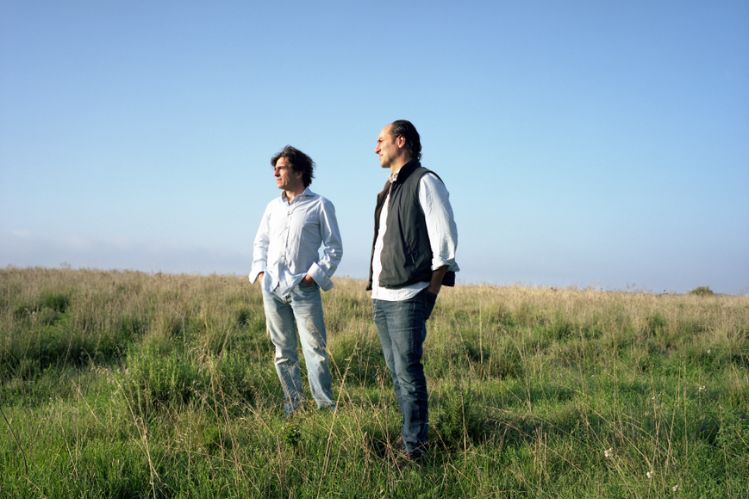
In nearly all of his projects, Telmo works closely with local families and winegrowers who have often managed the vineyards for generations. Rather than taking full control himself, he chooses collaboration and knowledge-sharing, placing local expertise at the center. This not only results in authentic wines but also helps preserve local wine cultures.
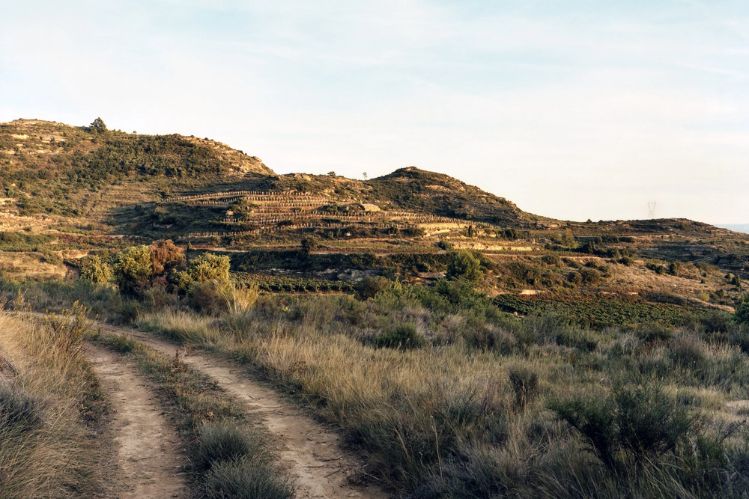
Telmo Rodríguez’s portfolio is built around individual projects, each with its own region, grape, and story. By working across different parts of Spain, he highlights the country’s remarkable diversity—from fresh Atlantic influences to warm Mediterranean climates. This project-driven approach results in a broad yet cohesive range, where each wine has a clear origin and identity.