
Sustainability
Sustainable business is essential for the future of our planet and the wine sector. Delta Wines is aware of the impact of its activities on people and the environment and actively works to reduce it. Sustainability is therefore an integral part of how we purchase, package, transport, and collaborate.
Our approach focuses on four themes:
- Climate and our value chain
- Packaging and raw materials
- Our people
- Responsible business throughout the entire chain
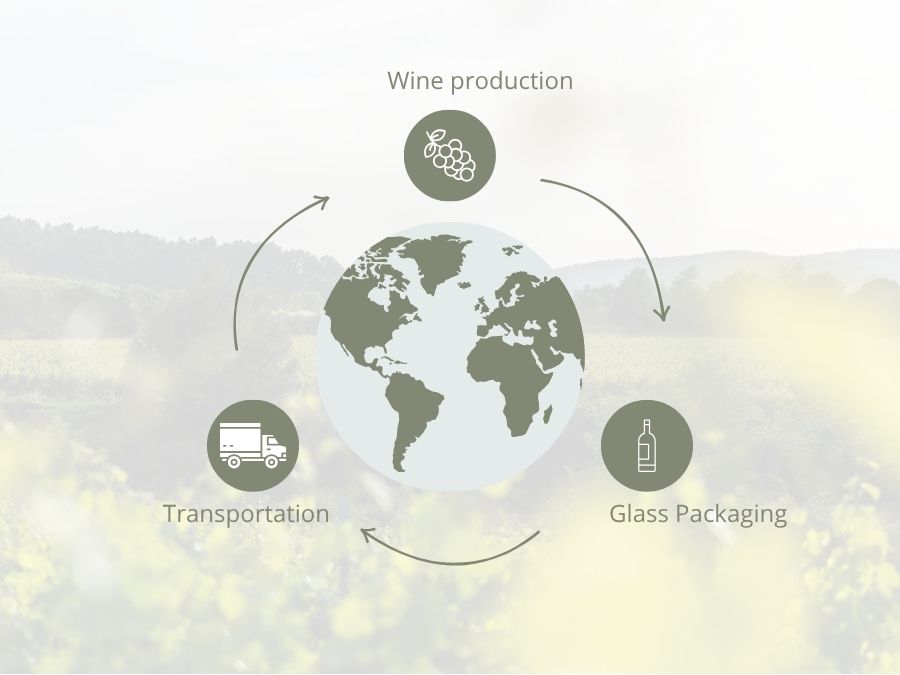
Climate and Our Value Chain
In 2025, Delta Wines mapped its complete CO₂ footprint. The results showed that the majority of our emissions occur within our value chain, primarily from wine production, glass packaging manufacturing, and transportation.
Using 2025 as our baseline year, we have established the following climate targets for 2035:
- 70% reduction in Scope 1 and 2 emissions
- 42% reduction in value chain emissions from energy and industrial activities
- 46% reduction in value chain emissions from agricultural activities
These targets are embedded in our Climate Transition Plan and form the foundation of our sustainability strategy.
A Scientifically Grounded Climate Strategy
Our climate targets and Climate Transition Plan have been developed using a methodology aligned with the principles of the Science Based Targets initiative (SBTi). By doing so, we base our approach on internationally recognized climate science. This methodology provides an important framework for the decisions we make across our organization and value chain.
Sustainable Transportation
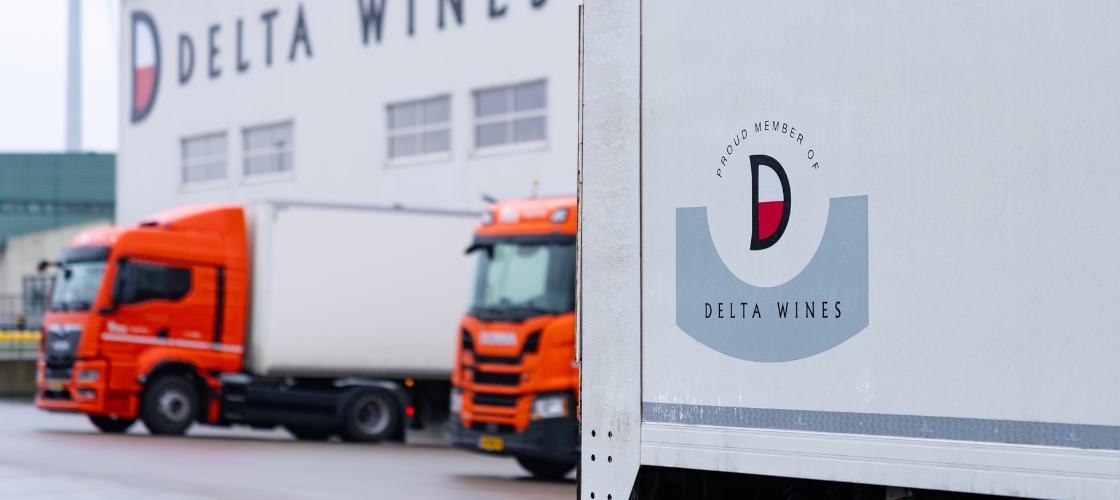
Transportation plays a significant role in our climate impact. Therefore, wherever possible, we utilize intermodal transport, short sea shipping, return loads, increased load factors, and efficient route planning. Together with our logistics partners, we continue to pursue further CO₂ reductions across our value chain.
Smart Packaging
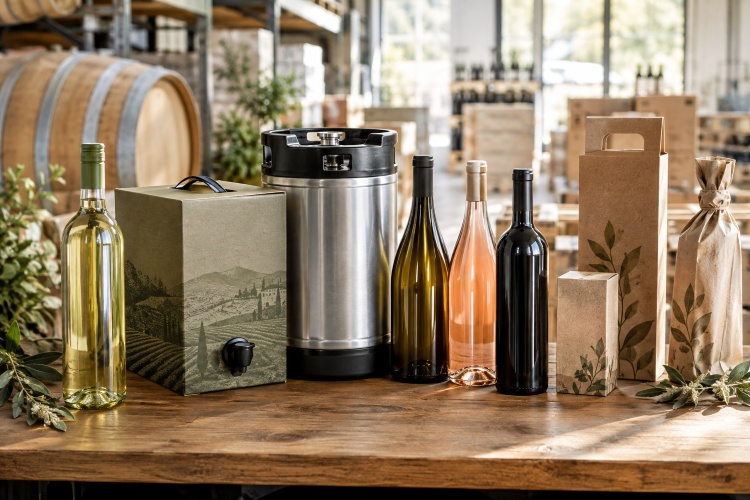
Packaging, and glass in particular, represents a significant part of our CO₂ footprint.
That is why we work closely with suppliers to:
- reduce bottle weight;
- increase the use of recycled glass;
- expand the use of alternative packaging formats such as Bag-in-Box and KeyKeg;
- improve the recyclability of packaging materials;
- drive innovation in packaging solutions.
In 2025, 46.5% of our sales volume was delivered in packaging with a lower climate impact.
Sustainable Energy
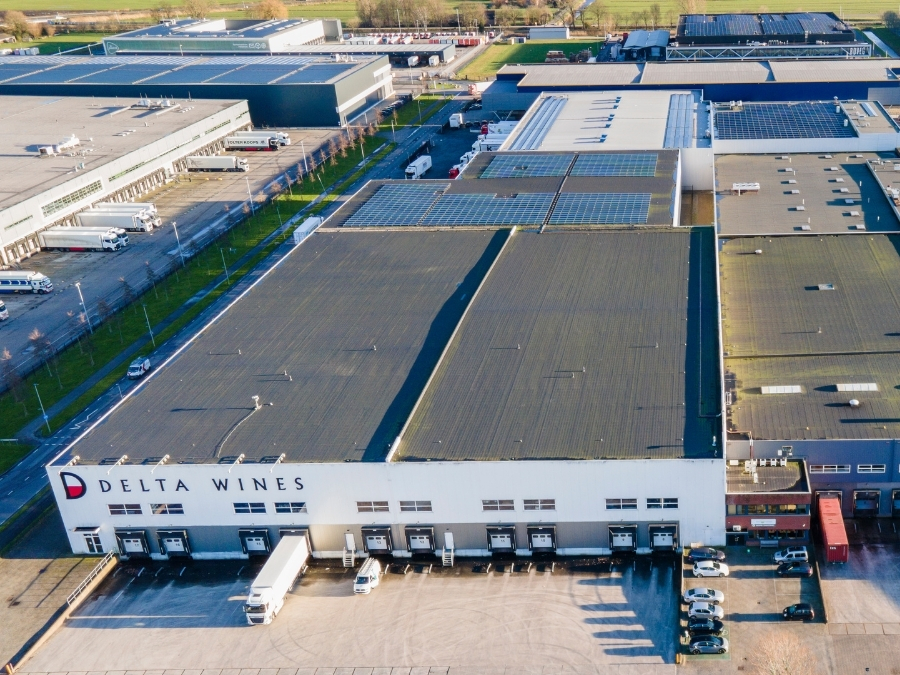
Our warehouse in Waddinxveen is equipped with more than 1,000 solar panels. The electricity generated is used to power, among other things, electric forklifts, office workstations, and charging stations for electric vehicles.
In 2025, our solar panels supplied approximately one-quarter of our total electricity consumption.

Responsible Sourcing
As the largest share of our impact occurs within our value chain, responsible sourcing plays a key role in our sustainability efforts. In addition to price, quality, and delivery performance, we increasingly consider suppliers' labor practices, human rights performance, certifications, and climate-related achievements when making purchasing decisions.
Our people
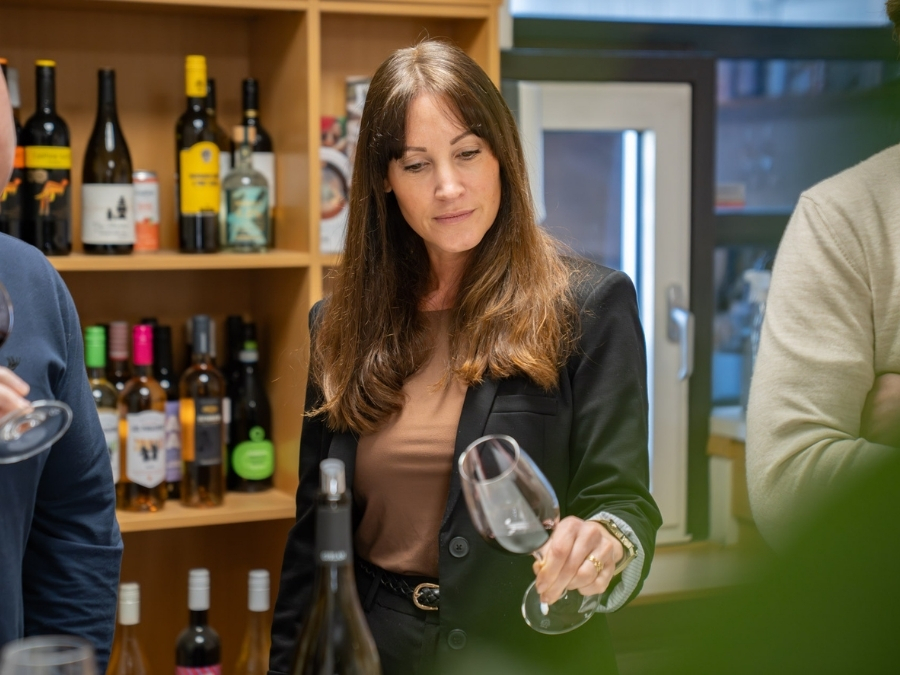
Sustainability is also about people. We strive to provide a safe, healthy, and inclusive working environment where employees can grow and develop. That is why we invest in training, professional expertise, and the long-term employability of our people.