
France
Red
2024
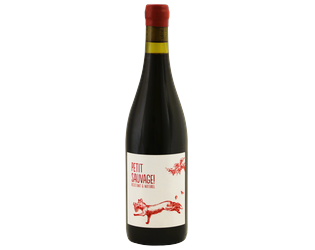
Pierre & Antonin Petit Sauvage rouge
All categories
Color and Sort
White
Red
Rosé
Sparkling
Alcoholfree
Wine countries
Germany
France
Italy
Spain
South-Africa
Grape variety
Red
Rosé
White
Classifications
Other
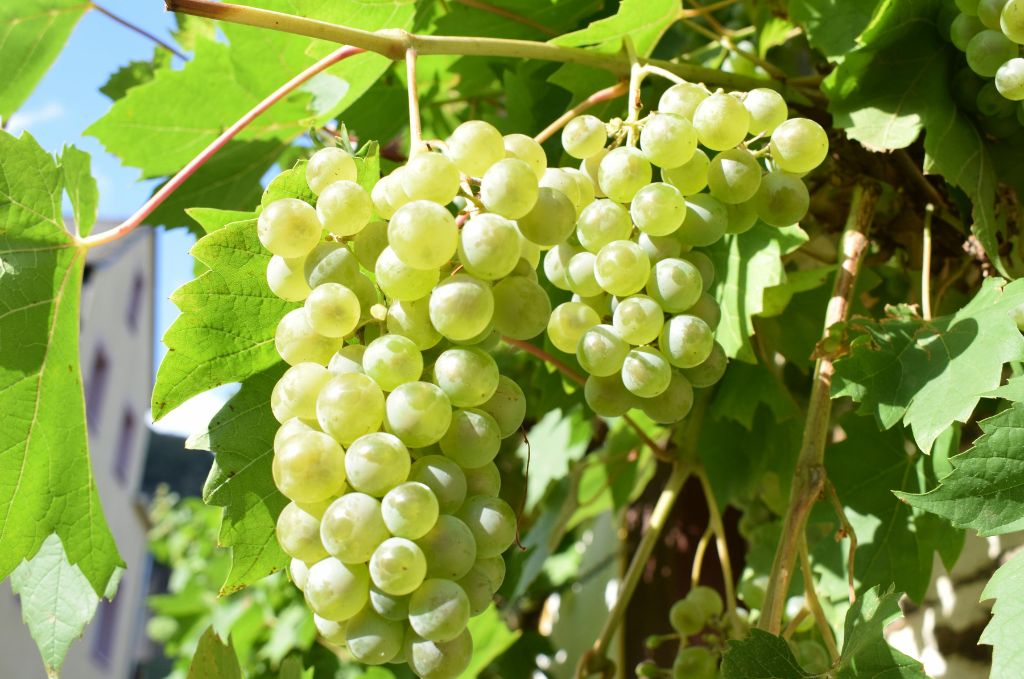
One of the most promising developments in sustainable viticulture is the use of disease-resistant grape varieties. These varieties are less susceptible to fungal diseases such as mildew. This significantly reduces the need for pesticides, making viticulture more resilient, both ecologically and economically.
Resistant grapes allow for less intervention, the application of spontaneous fermentation, and a structural reduction in the ecological footprint of wine. Not as a niche solution, but as a realistic answer to the future of wine.
Recently, the April 2026 edition of Decanter Magazine featured an article about our producer Pierre & Antonin, written by Natalie Earl, Sustainability Editor of Decanter. In this article, Pierre & Antonin are highlighted as an example of how resistant grapes and contemporary winemaking come together in fresh, accessible wines.
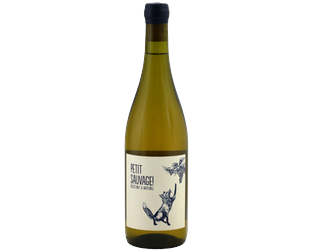
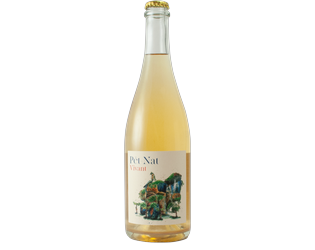
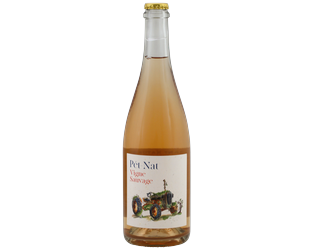
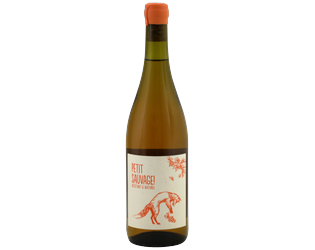
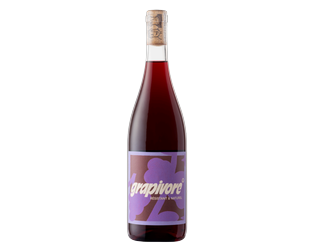
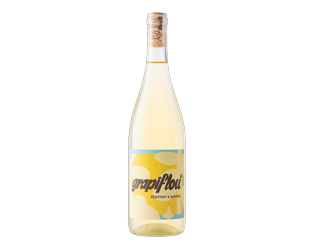
Pierre Caizergues and Antonin Bonnet founded Pierre & Antonin in 2020 after meeting years earlier in New York. Their shared ambition: to make wines that fit a changing climate without losing sight of the pleasure, spontaneity, and affordability of wine.
Pierre & Antonin work almost exclusively with resistant grape varieties such as Souvignier Gris, Cabernet Cortis, Artaban, and Floréal. The natural resistance of these grapes makes intensive vineyard treatment largely unnecessary. This results in lower costs, healthier vineyards, and a smaller ecological impact.
Combined with:
they produce wines that, according to Decanter, are lively, pure, and uncomplicated. Wines that are not meant to be stored, but to be opened and shared.
The article in Decanter describes how Pierre & Antonin look beyond just the technique. Their choice for resistant grapes symbolizes a broader form of 'resistance': against disease pressure, against climate change, and against the idea that sustainable wine must be inherently expensive and exclusive.
According to Pierre & Antonin, part of the future of wine lies not only in preserving classic grape varieties but in discovering new expressions and styles that are better suited to the world of tomorrow.