
France
White
2024
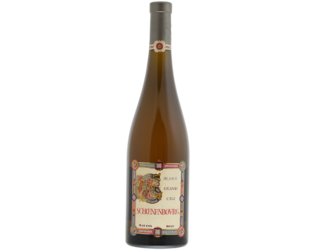
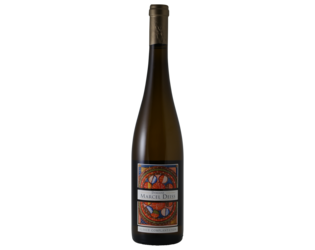
BIO Marcel Deiss Complantation blanc

All categories
Color and Sort
White
Red
Rosé
Sparkling
Alcoholfree
Wine countries
Germany
France
Italy
Spain
South-Africa
Grape variety
Red
Rosé
White
Classifications
Other
During a masterclass by our colleague and Magister Vini Joep Speet for the United Wine Experts Netherlands (VVN), an ancient winemaking method was central: the field blend. Following this tasting, Martin Bronkhorst of Dutch Wine Apprentice wrote an extensive article about the history, importance, and future of this unique wine style.
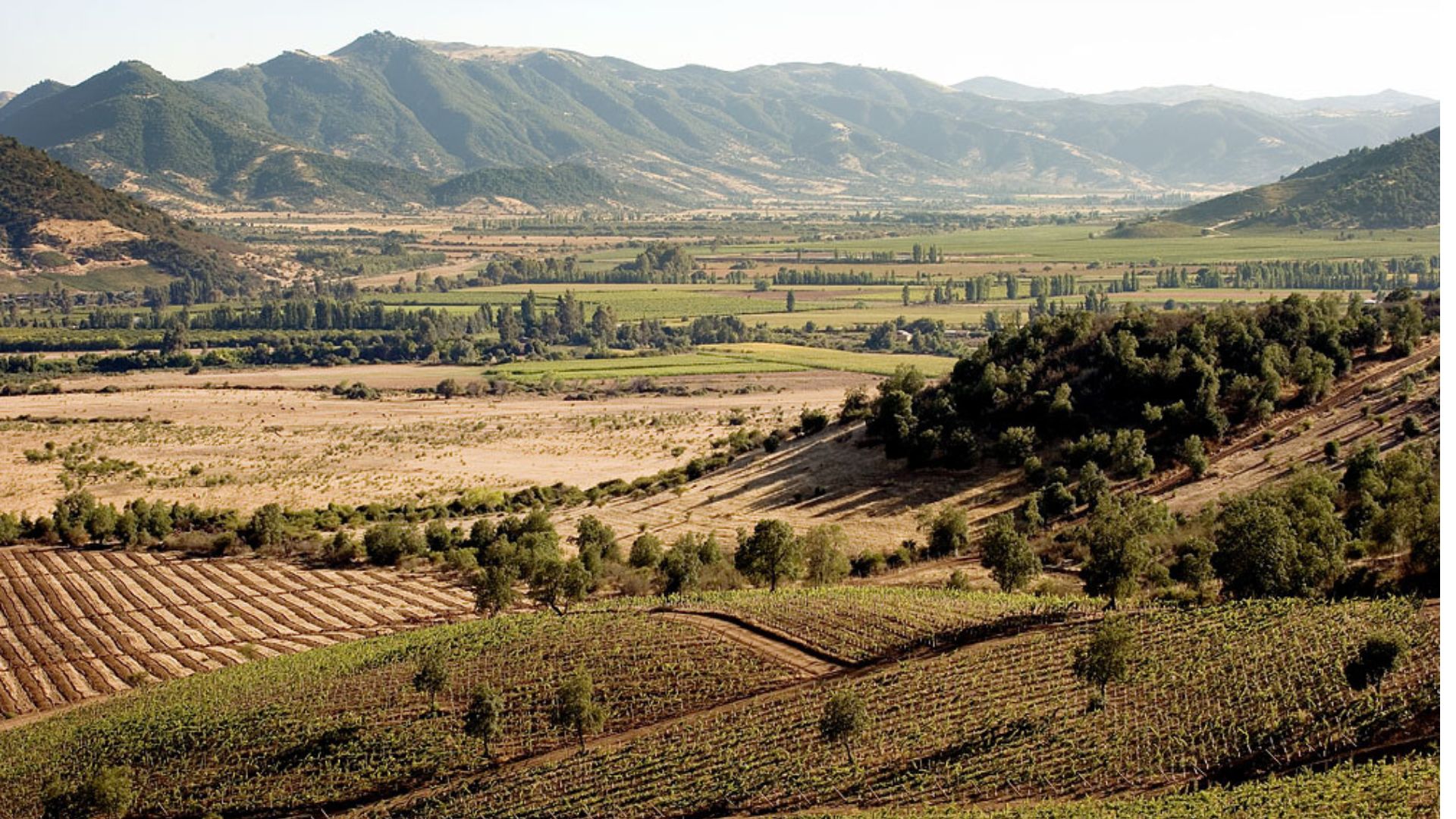
In a field blend, different grape varieties are planted together in the same vineyard. The grapes are harvested together and collectively fermented into one wine. This approach was very common in the past because winemakers were less dependent on the performance of a single grape variety and had more certainty about their harvest.
While modern viticulture focused for a long time on vineyards with just one grape variety, today there is renewed interest in field blends. Winemakers appreciate the greater biodiversity, the possible natural resistance to diseases, and the added complexity that different grape varieties can bring to a wine. Moreover, field blends help preserve traditional and sometimes even rare grape varieties.
Historic field blends can still be found in places like the Portuguese Douro Valley, but this method is also successfully applied in regions such as Alsace and Vienna. Some producers even see field blends as a better way to express a vineyard's terroir than a wine made from a single grape variety.
In his article, Martin Bronkhorst discusses not only the background and philosophy of this wine style but also the wines tasted and his findings on each wine.
This article was written by Martin Bronkhorst on dutchwineapprentice.com.