
Wine as a Cultural Product: Joep Speet on Stalin's Wine Cellar
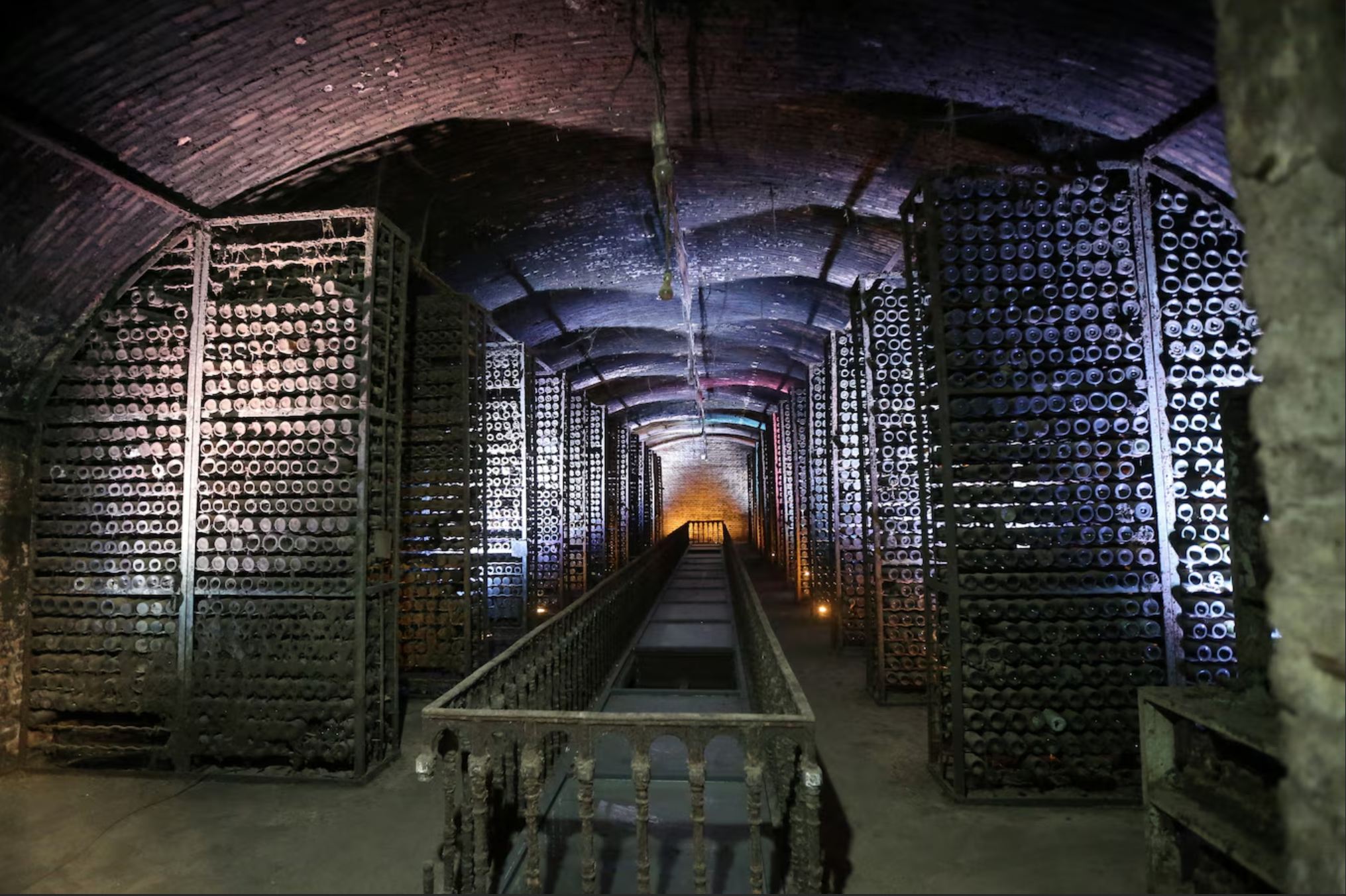
Wine enthusiasts have likely noticed: Stalin’s wine cellar, with about 40,000 bottles, has recently been opened in Georgia. This is an extraordinary event that is garnering much attention in the wine world.
Our colleague and Magister Vini Joep Speet was interviewed about this on June 2, 2026, on NPO Radio 1. In the discussion, he shared a clear opinion: the value of this cellar lies not so much in the wine itself, but in the story behind it.
“Especially interesting from a cultural-historical standpoint”
According to Joep, the collection is “very interesting from a cultural-historical perspective.” The cellar contains, among other things, wines from the Romanovs' collection. A notable detail is that Stalin recognized the uniqueness and value of this collection and safeguarded it, while during that period much was being destroyed by the communists. This historical context makes the cellar unique.
Not necessarily interesting to drink
At the same time, Joep is also realistic about the contents of the bottles. He indicates that many of these old wines are probably no longer drinkable. According to him, with such old wines, you’re likely dealing with oxidation and they are "completely over the top." He strongly nuances the idea that wine always gets better with age: after a certain time, wine simply doesn’t taste better.
However, he does place a nuance there: fortified and sweet wines from the collection have the greatest chance of still being in good condition. Think of ports, sauternes, or sweet wines made from Chenin Blanc. These wines can mature much longer due to their composition and therefore remain more drinkable.
He also mentions that this, for him personally, is not a reason to travel to Georgia: the tasting experience is likely less interesting than one might expect.
Where does the real value lie?
According to Joep, the real value of this cellar lies in something else: interest and story. He emphasizes that wine is a cultural product, shaped by centuries of history and influences from various civilizations such as the Greeks, Romans, monks, and Georgians.
That makes such a collection special. Not because you can still drink the wine perfectly today, but because it is a tangible piece of history.
Wine as emotion and experience
That wine is more than just taste is also evident from Joep’s own experiences. He talked about a special bottle that has always stayed with him: a Le Chambertin from Armand Rousseau from 1993. When he tasted it in 2006, it made a great impression due to its purity and complexity.
This underscores his vision: wine can evoke emotion and tell stories, and precisely that makes it so special.
Listen to the full interview
The full interview with Joep Speet is available to listen to via NPO Radio 1 (starting at 35:00).
This interview appeared on June 2, 2026, with Joep Speet on NPO Radio 1.